
|
Now that we have finished the first version of prototypes for both the kiln and the filter, our next step is to conduct testing! Testing is vital because it helps us understand the effectiveness of our prototypes, and also helps us narrow down which aspects of our prototypes need to be improved or changed for the final version. Kiln: On the kiln side, our testing mainly revolves around calculating the yield rate of the kiln, as well as determining if the char produced from the kiln is actually biochar—-meaning that it conforms to biochar standards including pH, pore size, and more. Additionally, our testing also helps us better understand the thermodynamic properties of the kiln, as well as the “user experience” of our kiln. To summarize, the big picture testing plan is:
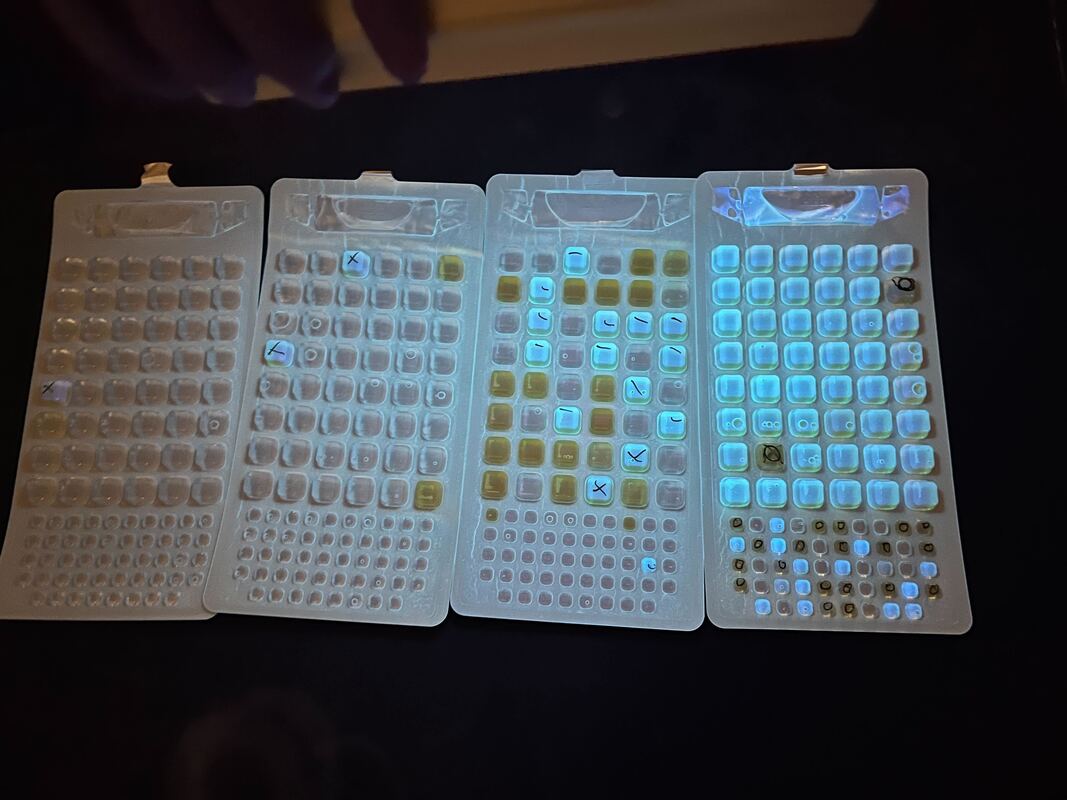
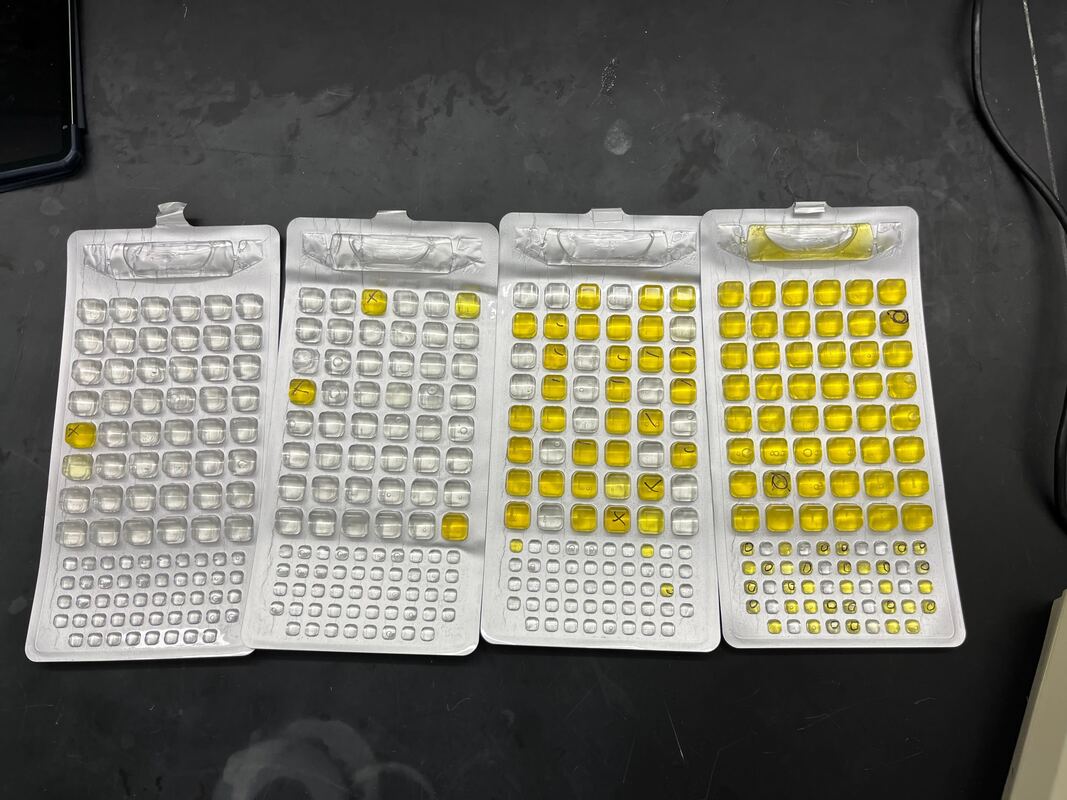
When conducting the burning trials, we have a detailed list of information and observations to collect that include initial and final weight of biomass, temperature measurements during the burning, and more. The most detailed version can be found in the “Kiln Test Data Recording Sheet”, which is what we have been using to record our data. All of the testing and data we collect tie back to our core user and technical requirements. First of all, it’s vital to measure and calculate the yield percentage (mass of biochar out over mass of biomass in), in order to understand the efficiency of our kiln. This is important to ensure that our users are getting the most out of their investment of time and effort in using the kiln. The next major requirement is that the biochar actually meets international biochar standards, and is effective as a water filtration material. This is why it’s so important to test the biochar itself, as well as monitor the burning process for indications that pyrolysis (the process that produces biochar) is occurring instead of just traditional combustion. These signs that help us distinguish between pyrolysis and traditional combustion include: temperature, flame color, and if the burn is dirty or not dirty. Another core requirement is safety, which ties into many of the protocols we have been following and data we have been collecting. For example, the temperature of the kiln at different times during the burn and the water required to put out the kiln are all things that will inform the safety precautions that must be followed by our users when using the kiln. To give an update, we have already conducted two kiln trials. In the first trial we encountered many problems, mainly that the chimney fell off the kiln itself and that the top piece of the kiln was unstable. In response to our findings, we reattached the chimney, and adjusted the design of the kiln to make the top more stable. Next, we conducted our second trial. Despite these changes, we still encountered a very fast and dirty burn, which is an indication that pyrolysis might not be actually occurring. In our next we plan to test a different biomass than corn husk to see if the corn husks are the problem, as well as meet with a thermodynamics professor to give us some more hands-on advice on our kiln design. Filter: As far as the filter side goes, our team has been working alongside Dr. Kopperud in developing a testing plan that quantitatively measures the effectiveness of our filter at removing coliforms and E. coli as well as the lifetime of our biochar filter. After consulting with Dr. Royal Kopperud and his graduate students, we became aware that removing chloride and fluoride ions would be quite difficult since these ions penetrate through carbon filters and would require more advanced methods such as reverse osmosis and distillation. In the past few weeks, we have been working to develop a water sample that is representative of the water quality in northern Malawi. By diluting wastewater from Codiga by a factor of 100, we were able to develop a water sample that is representative of the E. coli and coliform concentrations (1850 MPN/100ml), as stated in a research paper by Jade Ward (1000-2000 MPN/100ml). After creating a representative water sample, we conducted an IDEXX test to determine the concentrations of coliforms and E. coli. The yellow boxes below indicate the presence of E. coli while the fluorescent boxes indicate the presence of coliforms.
Here is our testing plan for the coming weeks:
We are looking forward to continuing the testing process, and learning from and improving our prototypes! Thanks for reading!
0 Comments
Leave a Reply. |
AuthorWrite something about yourself. No need to be fancy, just an overview. ArchivesCategories |
 RSS Feed
